Buy architekten.info ?
We are moving the project
architekten.info .
Are you interested in purchasing the domain
architekten.info ?
domain@kv-gmbh.de · 0541-91531010
Buy architekten.info ?
Which plants are decomposers or decomposers?
Decomposers are organisms that break down dead organic matter, such as leaves, wood, and other plant material. Fungi, such as mushrooms and molds, are the primary decomposers in most ecosystems. Some bacteria and insects also play a role in decomposition. Plants, on the other hand, are not typically decomposers. They are usually producers, using sunlight to create energy through photosynthesis. **
What are decomposers?
Decomposers are organisms that break down dead organic matter, such as dead plants and animals, into simpler substances. They play a crucial role in the ecosystem by recycling nutrients back into the soil, which can then be used by plants for growth. Examples of decomposers include bacteria, fungi, and certain types of insects. Without decomposers, dead organic matter would accumulate and nutrients would not be recycled, leading to a disruption in the balance of the ecosystem. **
Similar search terms for Decomposers
Top-Angebote
Products related to Decomposers:
-
CounterArt Lush Landscape Hardboard Placemats with Protective Cork Backing 4 Pack Layered Construction Heat Tolerant and Easily Wipes CleanHardboard Placemats are made with a layered construction. The surface of the mats is coated with protective lacquer. Heat resistant to 212 degrees Fahrenheit. The art is laminated to a wood composite layer.46,49 $*Shipping: 0,00 $Secure redirect to the provider
-
ZWYO HOSIMU Traditional Nightstand with 3 Drawer, Durable Construction and Timeless Design"Enhance your bedroom with this charming gray traditional nightstand, designed for both style and functionality. Compact size of 29""H x 21""W x 16""D fits perfectly in most bedroom spaces."404,39 $*Shipping: 0,00 $Secure redirect to the provider
-
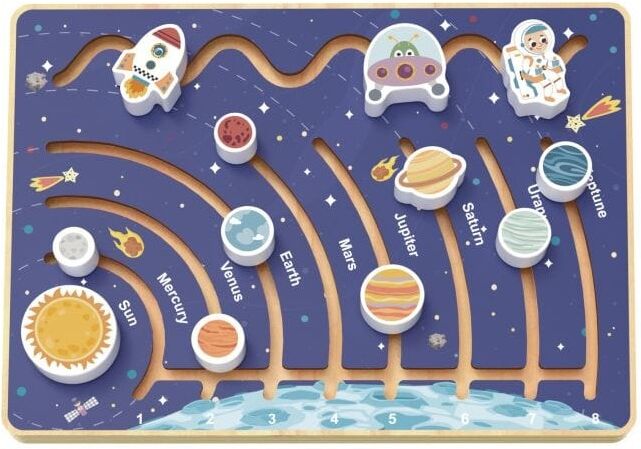
Tooky Toys Space Maze - Wooden Construction Cosmic Design Ages 3 and UpWooden space maze for kids with planets stars and rockets. Beads glide through tracks encouraging focus and persistence. Suitable for quiet time, gifts, or space-themed collections.8,13 £*Shipping: 3,95 £Secure redirect to the provider
-
Smart Shopping Spot Multi Functional Nut Cracker Tool For Walnuts, Chestnuts & Hazelnuts Ergonomic Design, Silvery Metal Construction Multi Functional Nut Cracker Tool For Walnuts, Chestnuts & Hazelnuts Ergonomic Design, Silvery Metal ConstructionSay goodbye to struggling with stubborn nuts and enjoy effortless cracking with our MultiFunctional Nut Cracker Tool. Designed for walnuts, chestnuts, almonds, and hazelnuts, this handy tool makes cracking nuts quick and easy. With its ergonomic,...29,97 $*Shipping: 0,00 $Secure redirect to the provider



-
Are these the decomposers?
Yes, the organisms in the image are decomposers. Decomposers are organisms that break down dead organic matter, such as leaves, wood, and other plant material, into simpler substances. They play a crucial role in the ecosystem by recycling nutrients and returning them to the soil for use by plants. The organisms in the image appear to be fungi and bacteria, which are common decomposers in many ecosystems. **
-
What are producers, consumers, and decomposers?
Producers are organisms that create their own food through photosynthesis or chemosynthesis, such as plants and some types of bacteria. Consumers are organisms that obtain their energy by consuming other organisms, such as animals that eat plants or other animals. Decomposers are organisms that break down dead organic matter, such as fungi and bacteria, returning nutrients to the soil for producers to use again. Together, these three groups play a vital role in the flow of energy and nutrients in an ecosystem. **
-
What is a good explanation for decomposers?
Decomposers play a crucial role in ecosystems by breaking down dead organic matter, such as plants and animals, into simpler substances. This process releases nutrients back into the soil, which can then be used by plants for growth. Without decomposers, dead organic matter would accumulate, leading to a decrease in nutrient availability and hindering the recycling of essential elements in the ecosystem. Ultimately, decomposers help maintain the balance and health of ecosystems by facilitating the breakdown and recycling of organic matter. **
-
What are the tasks of the decomposers?
Decomposers play a crucial role in breaking down dead organic matter, such as dead plants and animals, into simpler substances like carbon dioxide, water, and minerals. By doing so, they help to recycle nutrients back into the ecosystem, making them available for other organisms to use. Decomposers also help to clean up and remove waste from the environment, contributing to the overall health and balance of ecosystems. **


Do decomposers exist in desert ecosystems at all?
Yes, decomposers do exist in desert ecosystems. While the extreme conditions of deserts, such as low moisture and high temperatures, can limit the abundance and diversity of decomposers, there are still organisms that play a role in breaking down organic matter. These may include bacteria, fungi, and invertebrates like termites and ants. Their activity is important for nutrient cycling and soil formation in desert environments. **
What is the energy source for consumers, producers, and decomposers?
The energy source for consumers, producers, and decomposers is the sun. Producers, such as plants, use sunlight to convert carbon dioxide and water into energy through the process of photosynthesis. Consumers, such as animals, obtain their energy by consuming producers or other consumers. Decomposers, such as bacteria and fungi, break down organic matter and release the energy stored in the matter back into the ecosystem. Ultimately, all energy in an ecosystem can be traced back to the sun. **
Top-Angebote
Products related to Decomposers:
-
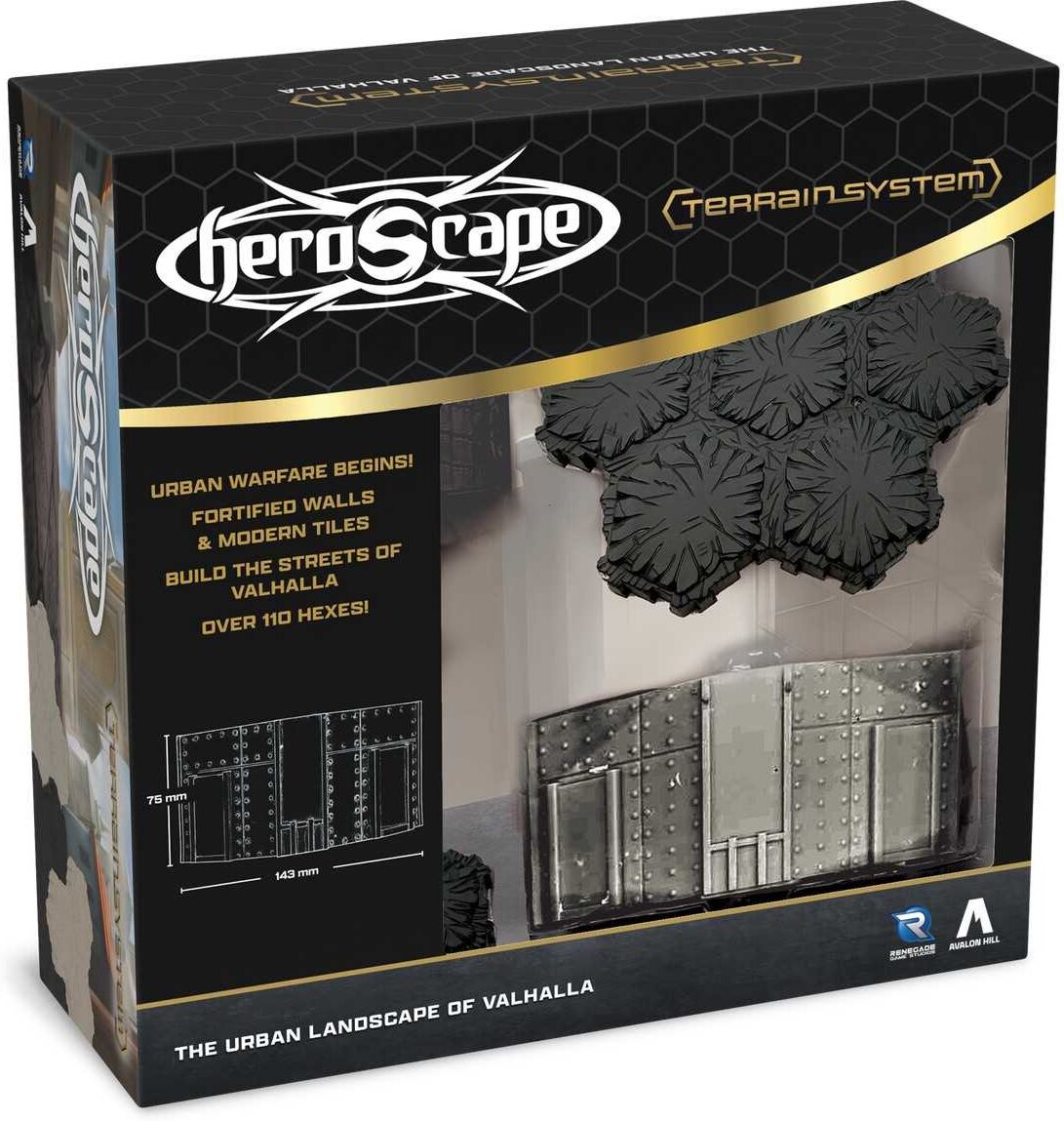
Heroscape Urban Landscape of Valhalla Terrain Expansion - Board Games - Renegade Game StudioExpand your Heroscape games with The Urban Landscape of Valhalla Terrain Expansion, a terrain set designed to bring urban environments to the tabletop. This expansion includes asphalt and concrete hex tiles, as well as wall pieces for fortified positions, allowing you to create dense battlefields featuring paved streets and concrete areas. The terrain provides new ways to shape movement and line of sight, helping you construct ambush points, defensive strongholds, and narrow routes through a mechanized city setting. Combine it with your existing Heroscape terrain and scenarios to create larger and more distinctive battlefields. The Urban Landscape of Valhalla Terrain Expansion is compatible with the Heroscape game system.35,98 £*Shipping: 3,95 £Secure redirect to the provider
-
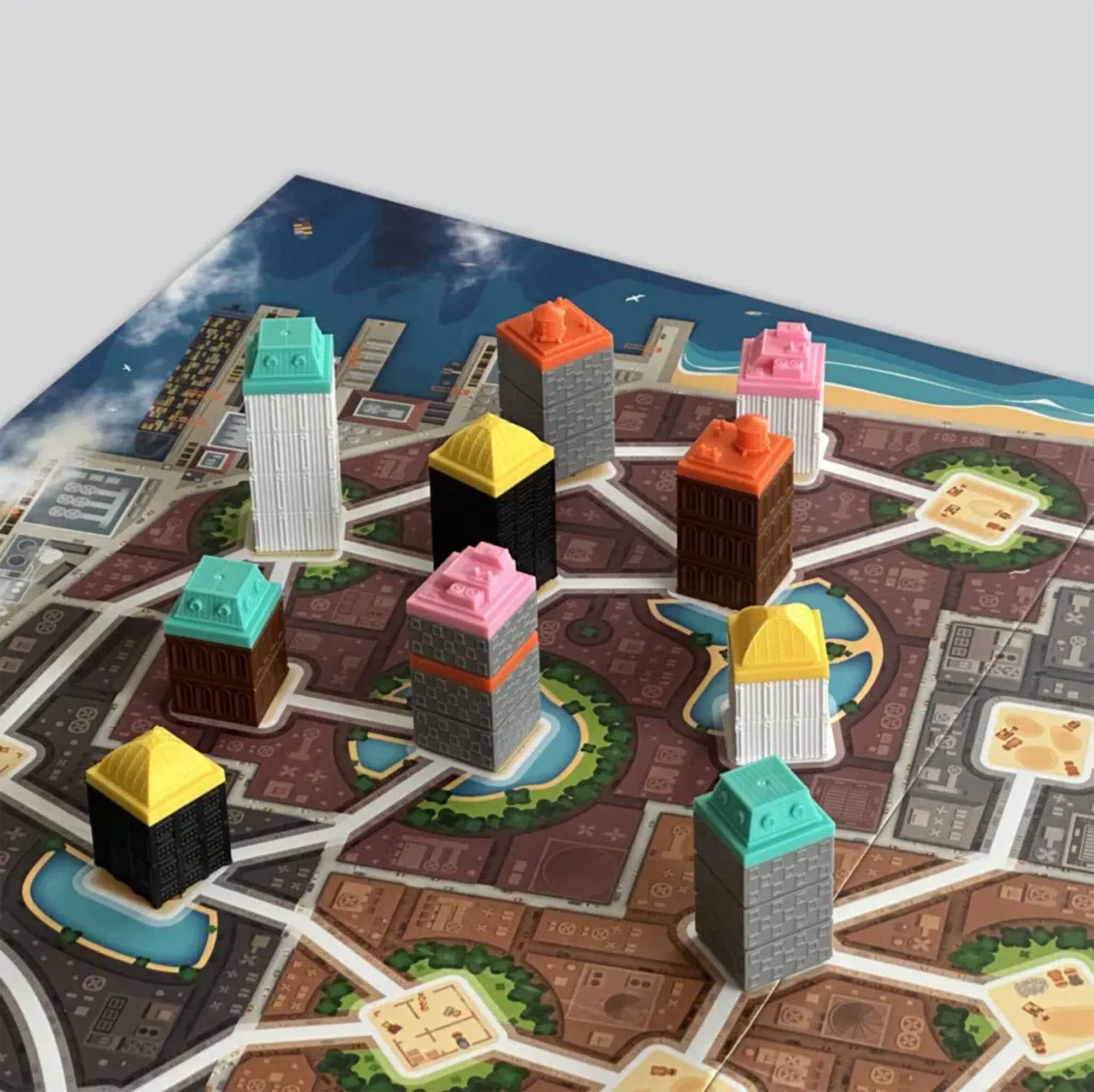
Monolith Board Games Tower Up Board Game - Competitive Urban Construction Gameplay for Family Game NightsBuild a thriving city in Tower Up, a competitive urban construction game from Monolith Board Games. Players compete to develop a new city and grow their fortunes through carefully planned construction, balancing short-term opportunities with longer-term plans. Each decision affects the opportunities available across the expanding urban landscape. The game combines accessible rules with meaningful strategic choices, supporting repeat play. Suitable for family game nights and modern board-game collections, Tower Up offers a fast-moving tabletop experience with room for thoughtful decisions throughout the game.31,59 £*Shipping: 3,95 £Secure redirect to the provider
-
CounterArt Lush Landscape Hardboard Placemats with Protective Cork Backing 4 Pack Layered Construction Heat Tolerant and Easily Wipes CleanHardboard Placemats are made with a layered construction. The surface of the mats is coated with protective lacquer. Heat resistant to 212 degrees Fahrenheit. The art is laminated to a wood composite layer.46,49 $*Shipping: 0,00 $Secure redirect to the provider
-
ZWYO HOSIMU Traditional Nightstand with 3 Drawer, Durable Construction and Timeless Design"Enhance your bedroom with this charming gray traditional nightstand, designed for both style and functionality. Compact size of 29""H x 21""W x 16""D fits perfectly in most bedroom spaces."404,39 $*Shipping: 0,00 $Secure redirect to the provider
-
Which plants are decomposers or decomposers?
Decomposers are organisms that break down dead organic matter, such as leaves, wood, and other plant material. Fungi, such as mushrooms and molds, are the primary decomposers in most ecosystems. Some bacteria and insects also play a role in decomposition. Plants, on the other hand, are not typically decomposers. They are usually producers, using sunlight to create energy through photosynthesis. **
-
What are decomposers?
Decomposers are organisms that break down dead organic matter, such as dead plants and animals, into simpler substances. They play a crucial role in the ecosystem by recycling nutrients back into the soil, which can then be used by plants for growth. Examples of decomposers include bacteria, fungi, and certain types of insects. Without decomposers, dead organic matter would accumulate and nutrients would not be recycled, leading to a disruption in the balance of the ecosystem. **
-
Are these the decomposers?
Yes, the organisms in the image are decomposers. Decomposers are organisms that break down dead organic matter, such as leaves, wood, and other plant material, into simpler substances. They play a crucial role in the ecosystem by recycling nutrients and returning them to the soil for use by plants. The organisms in the image appear to be fungi and bacteria, which are common decomposers in many ecosystems. **
-
What are producers, consumers, and decomposers?
Producers are organisms that create their own food through photosynthesis or chemosynthesis, such as plants and some types of bacteria. Consumers are organisms that obtain their energy by consuming other organisms, such as animals that eat plants or other animals. Decomposers are organisms that break down dead organic matter, such as fungi and bacteria, returning nutrients to the soil for producers to use again. Together, these three groups play a vital role in the flow of energy and nutrients in an ecosystem. **
Similar search terms for Decomposers
-
Tooky Toys Space Maze - Wooden Construction Cosmic Design Ages 3 and UpWooden space maze for kids with planets stars and rockets. Beads glide through tracks encouraging focus and persistence. Suitable for quiet time, gifts, or space-themed collections.8,13 £*Shipping: 3,95 £Secure redirect to the provider
-
Smart Shopping Spot Multi Functional Nut Cracker Tool For Walnuts, Chestnuts & Hazelnuts Ergonomic Design, Silvery Metal Construction Multi Functional Nut Cracker Tool For Walnuts, Chestnuts & Hazelnuts Ergonomic Design, Silvery Metal ConstructionSay goodbye to struggling with stubborn nuts and enjoy effortless cracking with our MultiFunctional Nut Cracker Tool. Designed for walnuts, chestnuts, almonds, and hazelnuts, this handy tool makes cracking nuts quick and easy. With its ergonomic,...29,97 $*Shipping: 0,00 $Secure redirect to the provider
-
ZWYO HOSIMU Traditional Nightstand with 3 Drawer, Durable Construction and Timeless Design"Enhance your bedroom with this charming gray traditional nightstand, designed for both style and functionality. Compact size of 29""H x 21""W x 16""D fits perfectly in most bedroom spaces."417,99 $*Shipping: 0,00 $Secure redirect to the provider
-
What is a good explanation for decomposers?
Decomposers play a crucial role in ecosystems by breaking down dead organic matter, such as plants and animals, into simpler substances. This process releases nutrients back into the soil, which can then be used by plants for growth. Without decomposers, dead organic matter would accumulate, leading to a decrease in nutrient availability and hindering the recycling of essential elements in the ecosystem. Ultimately, decomposers help maintain the balance and health of ecosystems by facilitating the breakdown and recycling of organic matter. **
-
What are the tasks of the decomposers?
Decomposers play a crucial role in breaking down dead organic matter, such as dead plants and animals, into simpler substances like carbon dioxide, water, and minerals. By doing so, they help to recycle nutrients back into the ecosystem, making them available for other organisms to use. Decomposers also help to clean up and remove waste from the environment, contributing to the overall health and balance of ecosystems. **
-
Do decomposers exist in desert ecosystems at all?
Yes, decomposers do exist in desert ecosystems. While the extreme conditions of deserts, such as low moisture and high temperatures, can limit the abundance and diversity of decomposers, there are still organisms that play a role in breaking down organic matter. These may include bacteria, fungi, and invertebrates like termites and ants. Their activity is important for nutrient cycling and soil formation in desert environments. **
-
What is the energy source for consumers, producers, and decomposers?
The energy source for consumers, producers, and decomposers is the sun. Producers, such as plants, use sunlight to convert carbon dioxide and water into energy through the process of photosynthesis. Consumers, such as animals, obtain their energy by consuming producers or other consumers. Decomposers, such as bacteria and fungi, break down organic matter and release the energy stored in the matter back into the ecosystem. Ultimately, all energy in an ecosystem can be traced back to the sun. **
* All prices are inclusive of VAT and, if applicable, plus shipping costs. The offer information is based on the details provided by the respective shop and is updated through automated processes. Real-time updates do not occur, so deviations can occur in individual cases. ** Note: Parts of this content were created by AI.