Buy architekten.info ?
We are moving the project
architekten.info .
Are you interested in purchasing the domain
architekten.info ?
domain@kv-gmbh.de · 0541-91531010
Buy architekten.info ?
What is proton donation and proton acceptance in chemistry?
Proton donation and proton acceptance are key concepts in acid-base chemistry. Proton donation refers to the transfer of a hydrogen ion (proton) from one substance to another. This typically occurs when an acid donates a proton to a base. Proton acceptance, on the other hand, involves the acceptance of a proton by a substance, often a base, leading to the formation of a new chemical species. These processes are fundamental to understanding the behavior of acids and bases in chemical reactions. **
What is meant by proton donors and proton acceptors?
Proton donors are substances that can donate a proton (H+) to another substance. This typically involves the release of a hydrogen ion. Proton acceptors, on the other hand, are substances that can accept a proton from another substance. This typically involves the uptake of a hydrogen ion. In the context of acid-base reactions, proton donors are acids, while proton acceptors are bases. **

Similar search terms for Proton
Top-Angebote
Products related to Proton:
-
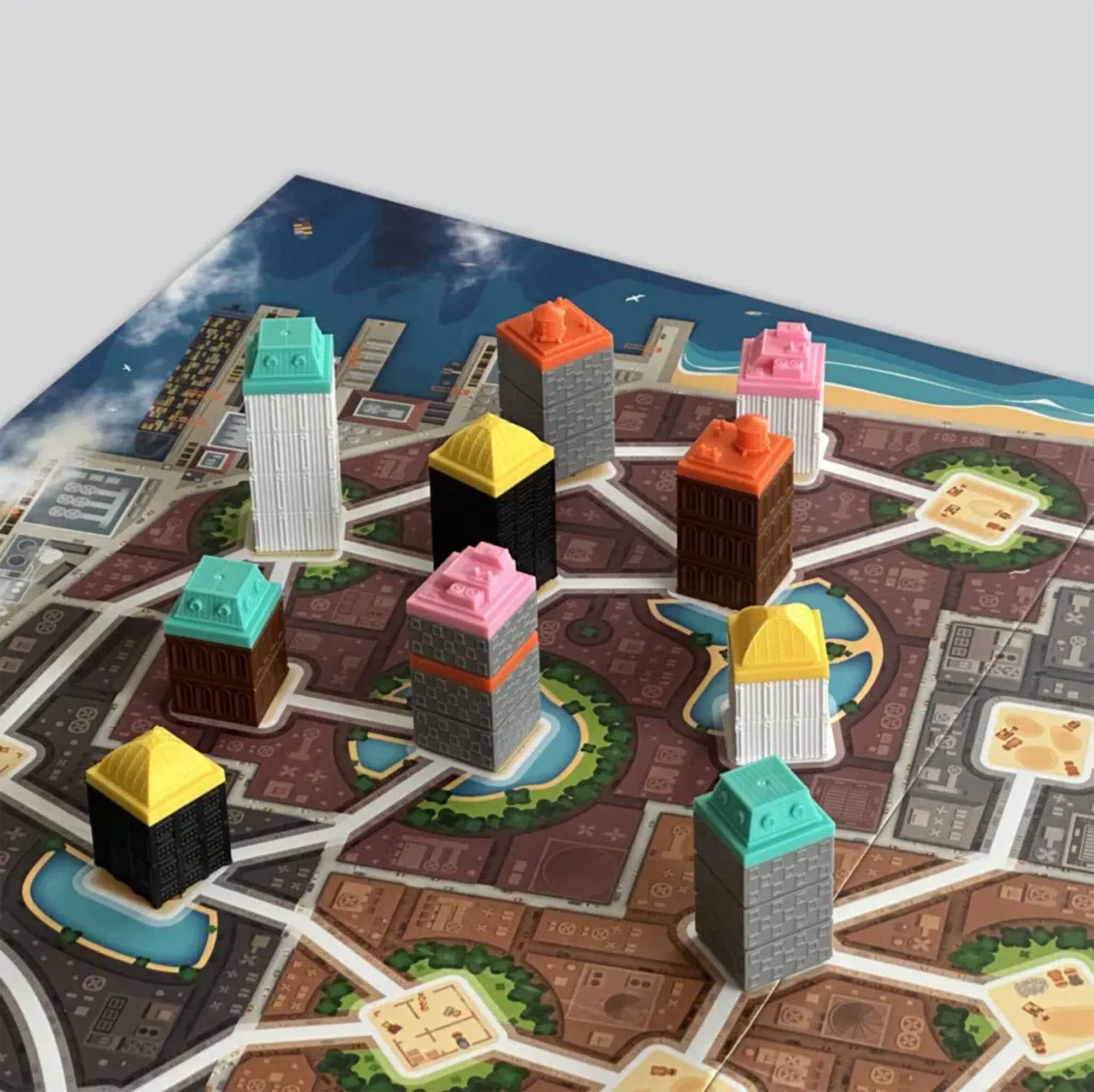
Monolith Board Games Tower Up Board Game - Competitive Urban Construction Gameplay for Family Game NightsBuild a thriving city in Tower Up, a competitive urban construction game from Monolith Board Games. Players compete to develop a new city and grow their fortunes through carefully planned construction, balancing short-term opportunities with longer-term plans. Each decision affects the opportunities available across the expanding urban landscape. The game combines accessible rules with meaningful strategic choices, supporting repeat play. Suitable for family game nights and modern board-game collections, Tower Up offers a fast-moving tabletop experience with room for thoughtful decisions throughout the game.31,18 £*Shipping: 3,95 £Secure redirect to the provider
-
CounterArt Lush Landscape Hardboard Placemats with Protective Cork Backing 4 Pack Layered Construction Heat Tolerant and Easily Wipes CleanHardboard Placemats are made with a layered construction. The surface of the mats is coated with protective lacquer. Heat resistant to 212 degrees Fahrenheit. The art is laminated to a wood composite layer.46,49 $*Shipping: 0,00 $Secure redirect to the provider
-
ZWYO HOSIMU Traditional Nightstand with 3 Drawer, Durable Construction and Timeless Design"Enhance your bedroom with this charming gray traditional nightstand, designed for both style and functionality. Compact size of 29""H x 21""W x 16""D fits perfectly in most bedroom spaces."404,39 $*Shipping: 0,00 $Secure redirect to the provider
-
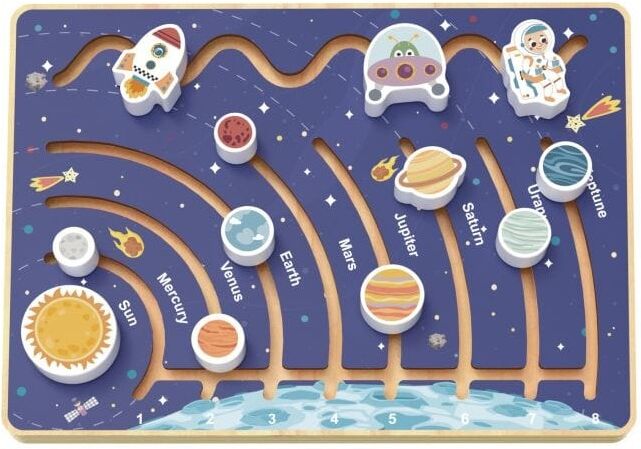
Tooky Toys Space Maze - Wooden Construction Cosmic Design Ages 3 and UpWooden space maze for kids with planets stars and rockets. Beads glide through tracks encouraging focus and persistence. Suitable for quiet time, gifts, or space-themed collections.8,13 £*Shipping: 3,95 £Secure redirect to the provider


-
What determines a proton donor and a proton acceptor?
A proton donor is a substance that can release a proton (H+) in a chemical reaction, while a proton acceptor is a substance that can accept a proton. This ability is determined by the presence of a hydrogen atom with a positive charge (H+) in the molecule. In general, substances with a lone pair of electrons, such as a hydroxide ion (OH-) or an amine group (NH2), can act as proton acceptors, while substances with a hydrogen atom bonded to an electronegative atom, such as a hydrochloric acid (HCl) or acetic acid (CH3COOH), can act as proton donors. **
-
Why are carboxylic acids proton donors and amines proton acceptors?
Carboxylic acids are proton donors because they contain a highly electronegative oxygen atom that can stabilize the resulting carboxylate anion by delocalizing the negative charge. Amines, on the other hand, are proton acceptors because they contain a lone pair of electrons on the nitrogen atom that can readily accept a proton to form a positively charged ammonium ion. This ability to donate or accept protons is due to the presence of functional groups in these molecules that can easily gain or lose a hydrogen ion in solution. **
-
Are there only proton-proton collisions in the particle accelerator?
No, there are not only proton-proton collisions in the particle accelerator. Particle accelerators can also collide protons with other particles such as electrons or heavy ions like lead or gold. These collisions are important for studying different aspects of particle physics and for exploring the fundamental forces and particles that make up the universe. By colliding different types of particles, scientists can gain a better understanding of the fundamental building blocks of matter and the forces that govern their interactions. **
-
How secure is Proton?
Proton is considered to be a highly secure email service. It offers end-to-end encryption for emails, meaning that only the sender and recipient can read the contents of the messages. Proton also uses strong encryption protocols to protect user data and has a strict privacy policy that ensures user information is not shared with third parties. Additionally, Proton is based in Switzerland, known for its strong privacy laws, adding an extra layer of security for users. **


What is proton decay?
Proton decay is a theoretical process in which a proton, one of the fundamental particles that make up an atom's nucleus, decays into lighter particles. This process is predicted by some grand unified theories (GUTs) that seek to unify the electromagnetic, weak, and strong nuclear forces. If proton decay were to occur, it would have profound implications for our understanding of the fundamental forces and particles in the universe. However, despite extensive experimental efforts, proton decay has not been observed, and its theoretical prediction remains unconfirmed. **
What are proton currents?
Proton currents refer to the flow of protons, which are positively charged particles, through a medium. This flow of protons can occur in various contexts, such as in biological systems, in proton-conducting materials, or in the context of proton exchange membrane fuel cells. Proton currents are important in many physiological processes, such as the generation of energy in cells through the process of oxidative phosphorylation. In the context of proton-conducting materials and fuel cells, proton currents are important for the generation of electrical energy. **
Top-Angebote
Products related to Proton:
-
Of Wheels Deals Geely Proton Ultra Bright LED Trunk Light Upgrade Geely Proton Ultra Bright LED Trunk Light UpgradeBring a brighter and more convenient driving experience to your vehicle with this premium LED trunk light designed for Geely EX2 and Proton e.MAS 5 models. This upgrade enhances trunk visibility while adding a stylish modern touch to your car...47,97 $*Shipping: 0,00 $Secure redirect to the provider
-
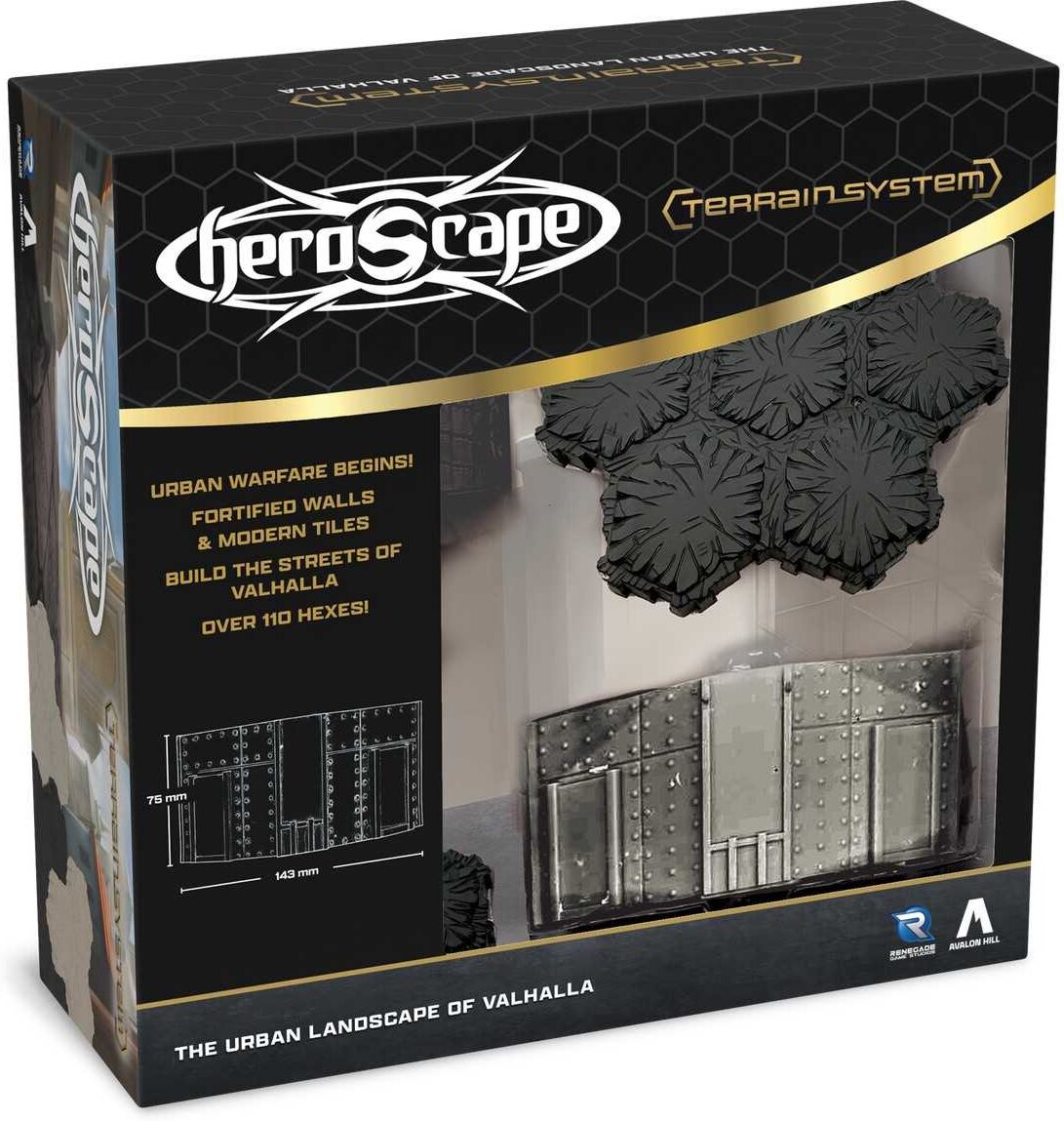
Heroscape Urban Landscape of Valhalla Terrain Expansion - Board Games - Renegade Game StudioExpand your Heroscape games with The Urban Landscape of Valhalla Terrain Expansion, a terrain set designed to bring urban environments to the tabletop. This expansion includes asphalt and concrete hex tiles, as well as wall pieces for fortified positions, allowing you to create dense battlefields featuring paved streets and concrete areas. The terrain provides new ways to shape movement and line of sight, helping you construct ambush points, defensive strongholds, and narrow routes through a mechanized city setting. Combine it with your existing Heroscape terrain and scenarios to create larger and more distinctive battlefields. The Urban Landscape of Valhalla Terrain Expansion is compatible with the Heroscape game system.35,98 £*Shipping: 3,95 £Secure redirect to the provider
-
Monolith Board Games Tower Up Board Game - Competitive Urban Construction Gameplay for Family Game NightsBuild a thriving city in Tower Up, a competitive urban construction game from Monolith Board Games. Players compete to develop a new city and grow their fortunes through carefully planned construction, balancing short-term opportunities with longer-term plans. Each decision affects the opportunities available across the expanding urban landscape. The game combines accessible rules with meaningful strategic choices, supporting repeat play. Suitable for family game nights and modern board-game collections, Tower Up offers a fast-moving tabletop experience with room for thoughtful decisions throughout the game.31,18 £*Shipping: 3,95 £Secure redirect to the provider
-
CounterArt Lush Landscape Hardboard Placemats with Protective Cork Backing 4 Pack Layered Construction Heat Tolerant and Easily Wipes CleanHardboard Placemats are made with a layered construction. The surface of the mats is coated with protective lacquer. Heat resistant to 212 degrees Fahrenheit. The art is laminated to a wood composite layer.46,49 $*Shipping: 0,00 $Secure redirect to the provider
-
What is proton donation and proton acceptance in chemistry?
Proton donation and proton acceptance are key concepts in acid-base chemistry. Proton donation refers to the transfer of a hydrogen ion (proton) from one substance to another. This typically occurs when an acid donates a proton to a base. Proton acceptance, on the other hand, involves the acceptance of a proton by a substance, often a base, leading to the formation of a new chemical species. These processes are fundamental to understanding the behavior of acids and bases in chemical reactions. **
-
What is meant by proton donors and proton acceptors?
Proton donors are substances that can donate a proton (H+) to another substance. This typically involves the release of a hydrogen ion. Proton acceptors, on the other hand, are substances that can accept a proton from another substance. This typically involves the uptake of a hydrogen ion. In the context of acid-base reactions, proton donors are acids, while proton acceptors are bases. **
-
What determines a proton donor and a proton acceptor?
A proton donor is a substance that can release a proton (H+) in a chemical reaction, while a proton acceptor is a substance that can accept a proton. This ability is determined by the presence of a hydrogen atom with a positive charge (H+) in the molecule. In general, substances with a lone pair of electrons, such as a hydroxide ion (OH-) or an amine group (NH2), can act as proton acceptors, while substances with a hydrogen atom bonded to an electronegative atom, such as a hydrochloric acid (HCl) or acetic acid (CH3COOH), can act as proton donors. **
-
Why are carboxylic acids proton donors and amines proton acceptors?
Carboxylic acids are proton donors because they contain a highly electronegative oxygen atom that can stabilize the resulting carboxylate anion by delocalizing the negative charge. Amines, on the other hand, are proton acceptors because they contain a lone pair of electrons on the nitrogen atom that can readily accept a proton to form a positively charged ammonium ion. This ability to donate or accept protons is due to the presence of functional groups in these molecules that can easily gain or lose a hydrogen ion in solution. **
Similar search terms for Proton
-
ZWYO HOSIMU Traditional Nightstand with 3 Drawer, Durable Construction and Timeless Design"Enhance your bedroom with this charming gray traditional nightstand, designed for both style and functionality. Compact size of 29""H x 21""W x 16""D fits perfectly in most bedroom spaces."404,39 $*Shipping: 0,00 $Secure redirect to the provider
-
Tooky Toys Space Maze - Wooden Construction Cosmic Design Ages 3 and UpWooden space maze for kids with planets stars and rockets. Beads glide through tracks encouraging focus and persistence. Suitable for quiet time, gifts, or space-themed collections.8,13 £*Shipping: 3,95 £Secure redirect to the provider
-
Smart Shopping Spot Multi Functional Nut Cracker Tool For Walnuts, Chestnuts & Hazelnuts Ergonomic Design, Silvery Metal Construction Multi Functional Nut Cracker Tool For Walnuts, Chestnuts & Hazelnuts Ergonomic Design, Silvery Metal ConstructionSay goodbye to struggling with stubborn nuts and enjoy effortless cracking with our MultiFunctional Nut Cracker Tool. Designed for walnuts, chestnuts, almonds, and hazelnuts, this handy tool makes cracking nuts quick and easy. With its ergonomic,...29,97 $*Shipping: 0,00 $Secure redirect to the provider
-
ZWYO HOSIMU Traditional Nightstand with 3 Drawer, Durable Construction and Timeless Design"Enhance your bedroom with this charming gray traditional nightstand, designed for both style and functionality. Compact size of 29""H x 21""W x 16""D fits perfectly in most bedroom spaces."417,99 $*Shipping: 0,00 $Secure redirect to the provider
-
Are there only proton-proton collisions in the particle accelerator?
No, there are not only proton-proton collisions in the particle accelerator. Particle accelerators can also collide protons with other particles such as electrons or heavy ions like lead or gold. These collisions are important for studying different aspects of particle physics and for exploring the fundamental forces and particles that make up the universe. By colliding different types of particles, scientists can gain a better understanding of the fundamental building blocks of matter and the forces that govern their interactions. **
-
How secure is Proton?
Proton is considered to be a highly secure email service. It offers end-to-end encryption for emails, meaning that only the sender and recipient can read the contents of the messages. Proton also uses strong encryption protocols to protect user data and has a strict privacy policy that ensures user information is not shared with third parties. Additionally, Proton is based in Switzerland, known for its strong privacy laws, adding an extra layer of security for users. **
-
What is proton decay?
Proton decay is a theoretical process in which a proton, one of the fundamental particles that make up an atom's nucleus, decays into lighter particles. This process is predicted by some grand unified theories (GUTs) that seek to unify the electromagnetic, weak, and strong nuclear forces. If proton decay were to occur, it would have profound implications for our understanding of the fundamental forces and particles in the universe. However, despite extensive experimental efforts, proton decay has not been observed, and its theoretical prediction remains unconfirmed. **
-
What are proton currents?
Proton currents refer to the flow of protons, which are positively charged particles, through a medium. This flow of protons can occur in various contexts, such as in biological systems, in proton-conducting materials, or in the context of proton exchange membrane fuel cells. Proton currents are important in many physiological processes, such as the generation of energy in cells through the process of oxidative phosphorylation. In the context of proton-conducting materials and fuel cells, proton currents are important for the generation of electrical energy. **
* All prices are inclusive of VAT and, if applicable, plus shipping costs. The offer information is based on the details provided by the respective shop and is updated through automated processes. Real-time updates do not occur, so deviations can occur in individual cases. ** Note: Parts of this content were created by AI.