Buy architekten.info ?
We are moving the project
architekten.info .
Are you interested in purchasing the domain
architekten.info ?
domain@kv-gmbh.de · 0541-91531010
Buy architekten.info ?
What is ecological construction?
Ecological construction, also known as green construction or sustainable construction, refers to the practice of designing, building, and operating buildings in an environmentally responsible and resource-efficient manner. This approach aims to minimize the environmental impact of construction projects by using sustainable materials, reducing energy consumption, and incorporating renewable energy sources. Ecological construction also focuses on creating healthy and comfortable indoor environments for occupants while minimizing waste and pollution. Overall, ecological construction seeks to promote a more sustainable and harmonious relationship between the built environment and the natural world. **
What is the difference between ecological and sustainable?
Ecological refers to the relationship between organisms and their environment, focusing on the interactions and interdependencies within ecosystems. It emphasizes the importance of preserving natural habitats and biodiversity. On the other hand, sustainable refers to the ability to meet the needs of the present without compromising the ability of future generations to meet their own needs. It encompasses a broader concept of responsible resource use, social equity, and economic viability. While ecological focuses on the natural environment, sustainable encompasses a more holistic approach that includes social and economic aspects. **

Similar search terms for Ecological
Top-Angebote
Products related to Ecological:
-
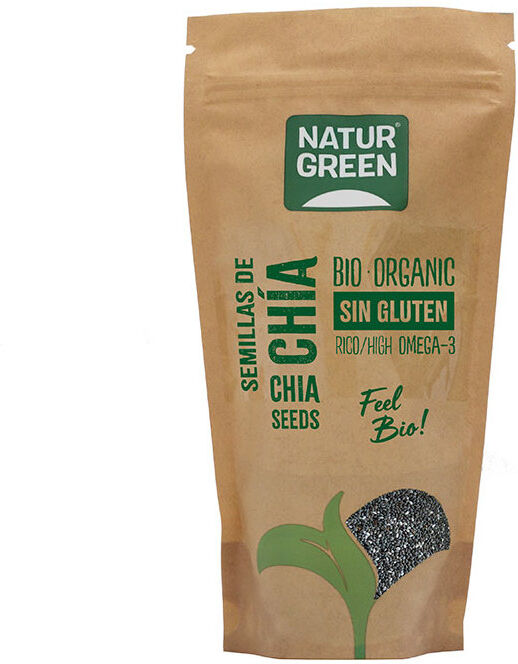
Naturgreen Ecological Chki Seeds 500gNutrition and Supplements Nuts and Seeds Naturgreen Ecological Chki Seeds 500g Naturbreen's 500g ecological chia seeds are rich in fiber and healthy fatty acids omega 3. resulting in an ideal food for chopping between hours.5,14 £*Shipping: 4,99 £Secure redirect to the provider
-
Azal Ecological Luffa Bath SpongeHealth and Beauty Corporal hygiene Azal Ecological Luffa Bath Sponge High quality loofah vegetable sponge for cosmetic use, treated with Caldas de Reis thermal waters, for a deep cleaning leaving the skin soft. 100% natural - Plastic-free - Vegan Natural scrub Stimulates blood circulation and prevents cellulite Prevents ingrowth of body hair Biodegradable - 100% compostable Zero Waste Hygiene: no residue Plastic-free packaging, no glue FSC certified Natural sponge for dry exfoliation or wet, handmade by a family business in Galicia, from artisanal and organic farming Measurements: 7.5 diameter x 15 cm long4,53 £*Shipping: 3,99 £Secure redirect to the provider
-
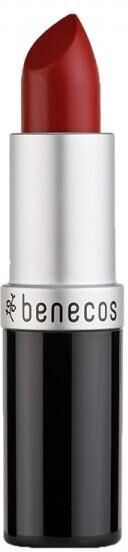
Benecos Ecological Lipstick 4.5 gr CatwalkHealth and Beauty Lips Benecos Ecological Lipstick 4.5 gr Catwalk Take care of your lips naturally. Ingredients related to the skin. Ideal for all skin types, even the most sensitive ones. High quality ecological product.4,73 £*Shipping: 3,99 £Secure redirect to the provider


-
What is the difference between ecological backpack, ecological balance, and ecological footprint?
The ecological backpack refers to the amount of natural resources and energy required to support an individual's lifestyle and consumption habits. Ecological balance refers to the state of equilibrium within an ecosystem, where the interactions between living organisms and their environment are stable and sustainable. Ecological footprint measures the impact of human activities on the environment by calculating the amount of biologically productive land and water required to sustain those activities. In summary, the ecological backpack focuses on individual consumption, ecological balance on the stability of ecosystems, and ecological footprint on the overall environmental impact of human activities. **
-
Are dams sustainable? What ecological dangers arise from a dam?
Dams are not always sustainable as they can have significant ecological impacts. One of the main dangers that arise from dams is the disruption of natural river flow, which can harm aquatic ecosystems and impact the migration patterns of fish. Dams can also lead to the loss of habitat for various species, alter water temperature and quality, and contribute to the decline of biodiversity in the surrounding areas. Additionally, the construction of dams can displace communities and disrupt the livelihoods of people who depend on the natural resources of the river. **
-
How does sustainable agriculture reduce the ecological footprint in Germany?
Sustainable agriculture in Germany reduces the ecological footprint by promoting practices that minimize the use of synthetic pesticides and fertilizers, which can harm the environment. By implementing crop rotation, organic farming methods, and agroforestry, sustainable agriculture helps to maintain soil health and biodiversity. Additionally, sustainable agriculture in Germany focuses on reducing greenhouse gas emissions by promoting renewable energy sources and efficient farming techniques, ultimately contributing to a more environmentally friendly food production system. **
-
Was the GDR more sustainable and ecological than we are today?
The GDR (East Germany) did prioritize certain environmental policies and invested in renewable energy sources such as wind and solar power. However, the overall environmental impact of the GDR was not sustainable, as the government prioritized rapid industrialization and neglected environmental protection. Today, while there are still many environmental challenges, there is a greater awareness and commitment to sustainability and ecological practices. The development of green technologies and the implementation of environmental regulations demonstrate a greater effort towards sustainability than was seen in the GDR. **


Is a consumption of 17 liters per 100 kilometers still ecological and sustainable?
A consumption of 17 liters per 100 kilometers is not considered ecological or sustainable. This level of fuel consumption indicates a high level of emissions and a significant impact on the environment. Sustainable and ecological transportation options typically aim for much lower fuel consumption, such as with hybrid or electric vehicles, public transportation, or biking and walking. Therefore, a consumption of 17 liters per 100 kilometers would not be considered environmentally friendly. **
What are ecological standards?
Ecological standards are guidelines and criteria that are set to ensure that human activities and products are environmentally friendly and sustainable. These standards aim to minimize negative impacts on ecosystems and biodiversity, promote conservation of natural resources, and reduce pollution and waste. By adhering to ecological standards, businesses, industries, and individuals can help protect the environment and contribute to a more sustainable future. **
Top-Angebote
Products related to Ecological:
-
Naturgreen Ecological spirulina 180 tabletsNutrition and Supplements Algae, Mushrooms and Medicinal Fungi Naturgreen Ecological spirulina 180 tablets Organic spirulina pills. How to use Ambient product to be stored in a dry and cool place. Take 6 pills daily, preferably in 2 divided doses before meals. Warning: Do not exceed the stated recommended dose. Keep out of reach of children. Food supplements should not replace a healthy diet. NaturGreen organic spirulina is suitable for vegetarian and vegan diets.7,13 £*Shipping: 3,99 £Secure redirect to the provider
-
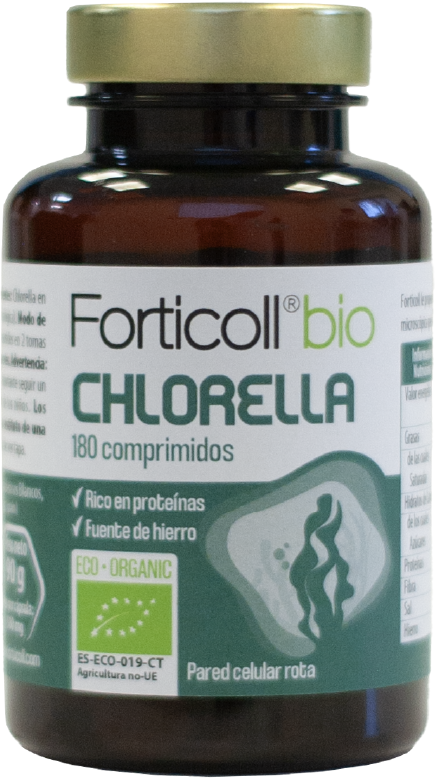
Forticoll Ecological chlorella 180 tabletsNutrition and Supplements Algae, Mushrooms and Medicinal Fungi Forticoll Ecological chlorella 180 tablets Chlorella in tablets with high chlorophyll content to reinforce the immune system and prevent cell damage.12,67 £*Shipping: 3,99 £Secure redirect to the provider
-
Naturgreen Ecological Chki Seeds 500gNutrition and Supplements Nuts and Seeds Naturgreen Ecological Chki Seeds 500g Naturbreen's 500g ecological chia seeds are rich in fiber and healthy fatty acids omega 3. resulting in an ideal food for chopping between hours.5,14 £*Shipping: 4,99 £Secure redirect to the provider
-
Azal Ecological Luffa Bath SpongeHealth and Beauty Corporal hygiene Azal Ecological Luffa Bath Sponge High quality loofah vegetable sponge for cosmetic use, treated with Caldas de Reis thermal waters, for a deep cleaning leaving the skin soft. 100% natural - Plastic-free - Vegan Natural scrub Stimulates blood circulation and prevents cellulite Prevents ingrowth of body hair Biodegradable - 100% compostable Zero Waste Hygiene: no residue Plastic-free packaging, no glue FSC certified Natural sponge for dry exfoliation or wet, handmade by a family business in Galicia, from artisanal and organic farming Measurements: 7.5 diameter x 15 cm long4,53 £*Shipping: 3,99 £Secure redirect to the provider
-
What is ecological construction?
Ecological construction, also known as green construction or sustainable construction, refers to the practice of designing, building, and operating buildings in an environmentally responsible and resource-efficient manner. This approach aims to minimize the environmental impact of construction projects by using sustainable materials, reducing energy consumption, and incorporating renewable energy sources. Ecological construction also focuses on creating healthy and comfortable indoor environments for occupants while minimizing waste and pollution. Overall, ecological construction seeks to promote a more sustainable and harmonious relationship between the built environment and the natural world. **
-
What is the difference between ecological and sustainable?
Ecological refers to the relationship between organisms and their environment, focusing on the interactions and interdependencies within ecosystems. It emphasizes the importance of preserving natural habitats and biodiversity. On the other hand, sustainable refers to the ability to meet the needs of the present without compromising the ability of future generations to meet their own needs. It encompasses a broader concept of responsible resource use, social equity, and economic viability. While ecological focuses on the natural environment, sustainable encompasses a more holistic approach that includes social and economic aspects. **
-
What is the difference between ecological backpack, ecological balance, and ecological footprint?
The ecological backpack refers to the amount of natural resources and energy required to support an individual's lifestyle and consumption habits. Ecological balance refers to the state of equilibrium within an ecosystem, where the interactions between living organisms and their environment are stable and sustainable. Ecological footprint measures the impact of human activities on the environment by calculating the amount of biologically productive land and water required to sustain those activities. In summary, the ecological backpack focuses on individual consumption, ecological balance on the stability of ecosystems, and ecological footprint on the overall environmental impact of human activities. **
-
Are dams sustainable? What ecological dangers arise from a dam?
Dams are not always sustainable as they can have significant ecological impacts. One of the main dangers that arise from dams is the disruption of natural river flow, which can harm aquatic ecosystems and impact the migration patterns of fish. Dams can also lead to the loss of habitat for various species, alter water temperature and quality, and contribute to the decline of biodiversity in the surrounding areas. Additionally, the construction of dams can displace communities and disrupt the livelihoods of people who depend on the natural resources of the river. **
Similar search terms for Ecological
-
Benecos Ecological Lipstick 4.5 gr CatwalkHealth and Beauty Lips Benecos Ecological Lipstick 4.5 gr Catwalk Take care of your lips naturally. Ingredients related to the skin. Ideal for all skin types, even the most sensitive ones. High quality ecological product.4,73 £*Shipping: 3,99 £Secure redirect to the provider
-
Naturgreen Ecological raw sesame 225 grNutrition and Supplements Nuts and Seeds Naturgreen Ecological raw sesame 225 gr Naturbreen's ecological raw sesame seeds are the best dressing for all types of dishes, to which they provide numerous benefits for the organism.2,05 £*Shipping: 3,99 £Secure redirect to the provider
-
How does sustainable agriculture reduce the ecological footprint in Germany?
Sustainable agriculture in Germany reduces the ecological footprint by promoting practices that minimize the use of synthetic pesticides and fertilizers, which can harm the environment. By implementing crop rotation, organic farming methods, and agroforestry, sustainable agriculture helps to maintain soil health and biodiversity. Additionally, sustainable agriculture in Germany focuses on reducing greenhouse gas emissions by promoting renewable energy sources and efficient farming techniques, ultimately contributing to a more environmentally friendly food production system. **
-
Was the GDR more sustainable and ecological than we are today?
The GDR (East Germany) did prioritize certain environmental policies and invested in renewable energy sources such as wind and solar power. However, the overall environmental impact of the GDR was not sustainable, as the government prioritized rapid industrialization and neglected environmental protection. Today, while there are still many environmental challenges, there is a greater awareness and commitment to sustainability and ecological practices. The development of green technologies and the implementation of environmental regulations demonstrate a greater effort towards sustainability than was seen in the GDR. **
-
Is a consumption of 17 liters per 100 kilometers still ecological and sustainable?
A consumption of 17 liters per 100 kilometers is not considered ecological or sustainable. This level of fuel consumption indicates a high level of emissions and a significant impact on the environment. Sustainable and ecological transportation options typically aim for much lower fuel consumption, such as with hybrid or electric vehicles, public transportation, or biking and walking. Therefore, a consumption of 17 liters per 100 kilometers would not be considered environmentally friendly. **
-
What are ecological standards?
Ecological standards are guidelines and criteria that are set to ensure that human activities and products are environmentally friendly and sustainable. These standards aim to minimize negative impacts on ecosystems and biodiversity, promote conservation of natural resources, and reduce pollution and waste. By adhering to ecological standards, businesses, industries, and individuals can help protect the environment and contribute to a more sustainable future. **
* All prices are inclusive of VAT and, if applicable, plus shipping costs. The offer information is based on the details provided by the respective shop and is updated through automated processes. Real-time updates do not occur, so deviations can occur in individual cases. ** Note: Parts of this content were created by AI.