Buy architekten.info ?
We are moving the project
architekten.info .
Are you interested in purchasing the domain
architekten.info ?
domain@kv-gmbh.de · 0541-91531010
Buy architekten.info ?
What are oxygen atoms and carbon atoms?
Oxygen atoms are the building blocks of the element oxygen, which is essential for life and makes up a large portion of the Earth's atmosphere. Oxygen atoms have 8 protons and typically 8 neutrons, giving them a total atomic mass of 16. They are known for their ability to form strong bonds with other elements, making them crucial for the formation of molecules such as water and carbon dioxide. Carbon atoms are the building blocks of the element carbon, which is a fundamental component of all known life on Earth. Carbon atoms have 6 protons and typically 6 neutrons, giving them a total atomic mass of 12. They are known for their ability to form long chains and complex structures, making them essential for the formation of organic molecules such as proteins, carbohydrates, and DNA. **
Will adding protons to atoms create different atoms?
No, adding protons to atoms will not create different atoms. The number of protons in an atom determines its identity as a specific element. Adding protons to an atom will change its identity and create a different element. However, adding protons to an atom can create a different isotope of the same element, which will have a different atomic mass but the same chemical properties. **
Similar search terms for Atoms
Top-Angebote
Products related to Atoms:
-
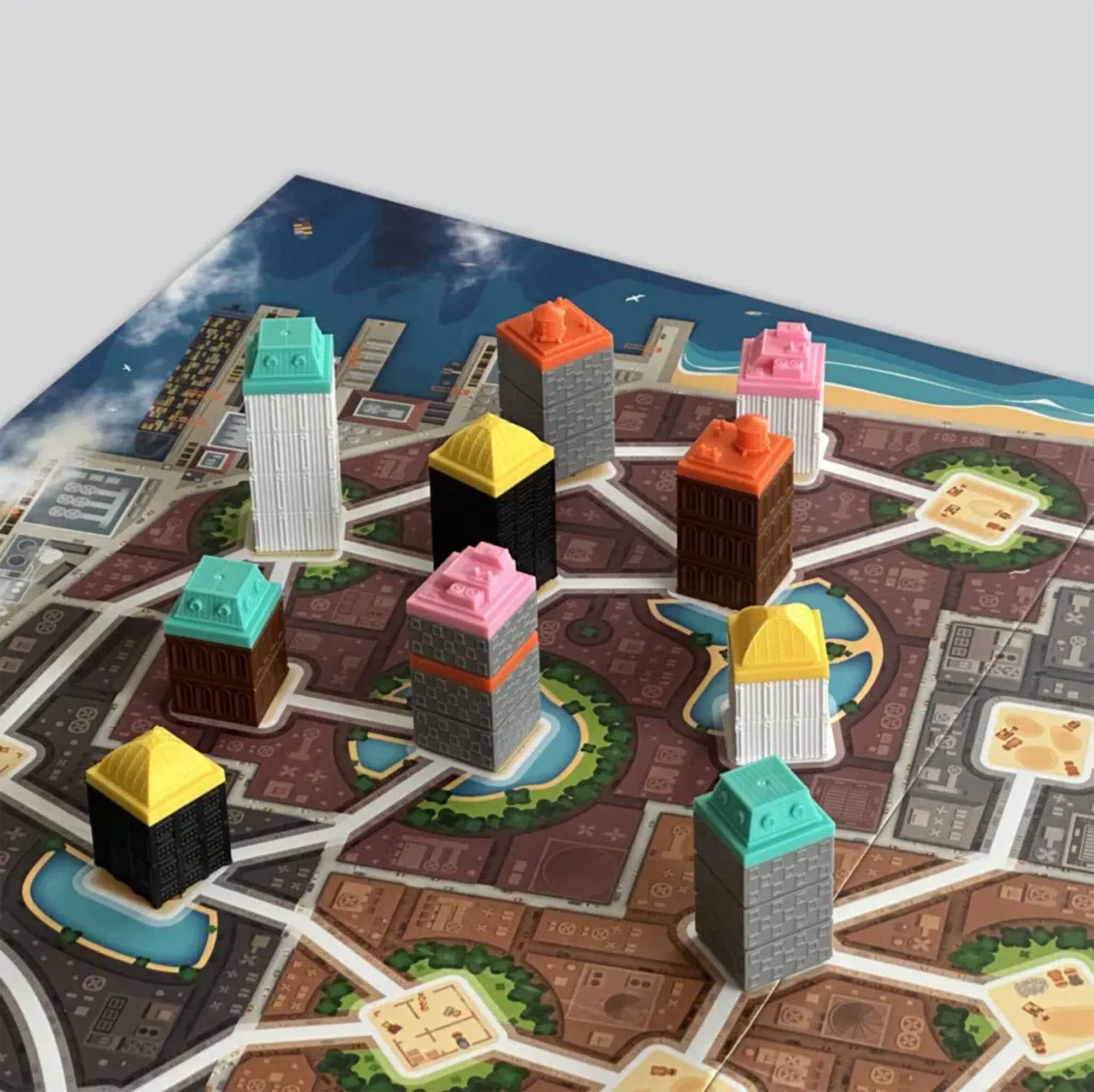
Monolith Board Games Tower Up Board Game - Competitive Urban Construction Gameplay for Family Game NightsBuild a thriving city in Tower Up, a competitive urban construction game from Monolith Board Games. Players compete to develop a new city and grow their fortunes through carefully planned construction, balancing short-term opportunities with longer-term plans. Each decision affects the opportunities available across the expanding urban landscape. The game combines accessible rules with meaningful strategic choices, supporting repeat play. Suitable for family game nights and modern board-game collections, Tower Up offers a fast-moving tabletop experience with room for thoughtful decisions throughout the game.31,59 £*Shipping: 3,95 £Secure redirect to the provider
-
CounterArt Lush Landscape Hardboard Placemats with Protective Cork Backing 4 Pack Layered Construction Heat Tolerant and Easily Wipes CleanHardboard Placemats are made with a layered construction. The surface of the mats is coated with protective lacquer. Heat resistant to 212 degrees Fahrenheit. The art is laminated to a wood composite layer.46,49 $*Shipping: 0,00 $Secure redirect to the provider
-
ZWYO HOSIMU Traditional Nightstand with 3 Drawer, Durable Construction and Timeless Design"Enhance your bedroom with this charming gray traditional nightstand, designed for both style and functionality. Compact size of 29""H x 21""W x 16""D fits perfectly in most bedroom spaces."404,39 $*Shipping: 0,00 $Secure redirect to the provider
-
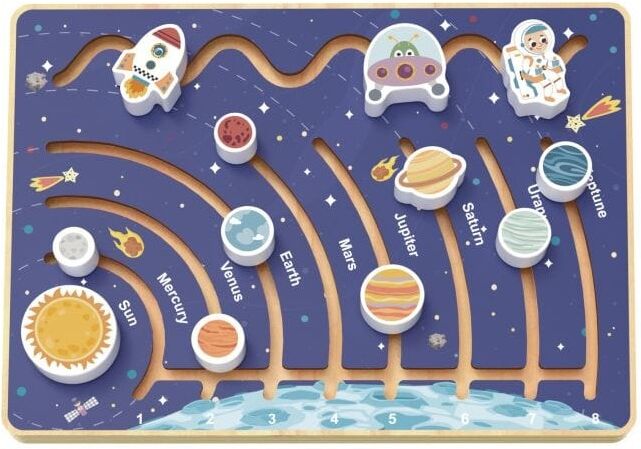
Tooky Toys Space Maze - Wooden Construction Cosmic Design Ages 3 and UpWooden space maze for kids with planets stars and rockets. Beads glide through tracks encouraging focus and persistence. Suitable for quiet time, gifts, or space-themed collections.8,13 £*Shipping: 3,95 £Secure redirect to the provider


-
Why are some atoms larger than other atoms?
Some atoms are larger than others because they have more protons, neutrons, and electrons, which increases their atomic mass and size. The number of electron shells and the distance of the outermost electrons from the nucleus also contribute to the size of an atom. Additionally, the arrangement of electrons in the electron shells can affect the size of an atom. Overall, the size of an atom is determined by a combination of its atomic number, electron configuration, and atomic mass. **
-
Do argon atoms form when chlorine atoms gain electrons?
No, argon atoms do not form when chlorine atoms gain electrons. When chlorine atoms gain an electron, they become chloride ions with a negative charge. Argon is a noble gas and already has a full outer electron shell, so it does not need to gain or lose electrons to achieve stability. **
-
Can atoms explode?
Atoms themselves cannot explode, as they are the building blocks of matter and are stable in their natural state. However, when atoms undergo a nuclear reaction, such as nuclear fission or fusion, a large amount of energy is released in the form of an explosion. This is what happens in nuclear bombs or nuclear power plants. So, while atoms themselves cannot explode, the reactions they undergo can result in explosive energy release. **
-
Are atoms universes?
No, atoms are not universes. Atoms are the basic building blocks of matter, consisting of a nucleus of protons and neutrons surrounded by a cloud of electrons. Universes, on the other hand, are vast and complex systems that contain galaxies, stars, planets, and other celestial bodies. While both atoms and universes are part of the natural world, they exist at vastly different scales and levels of complexity. **


What is the difference between metal atoms and magnesium atoms?
Metal atoms refer to a broad category of elements that exhibit metallic properties, such as being good conductors of heat and electricity. Magnesium atoms, on the other hand, specifically refer to atoms of the element magnesium, which is a metal known for its light weight and high strength-to-weight ratio. While magnesium atoms are a subset of metal atoms, they have unique properties and characteristics that distinguish them from other metals. **
Can all atoms be split or only atoms that are radioactive?
Only atoms that are radioactive can be split through a process called nuclear fission. This process involves splitting the nucleus of an atom into smaller parts, releasing a large amount of energy in the process. Not all atoms are radioactive, so only those specific atoms can undergo nuclear fission. **
Top-Angebote
Products related to Atoms:
-
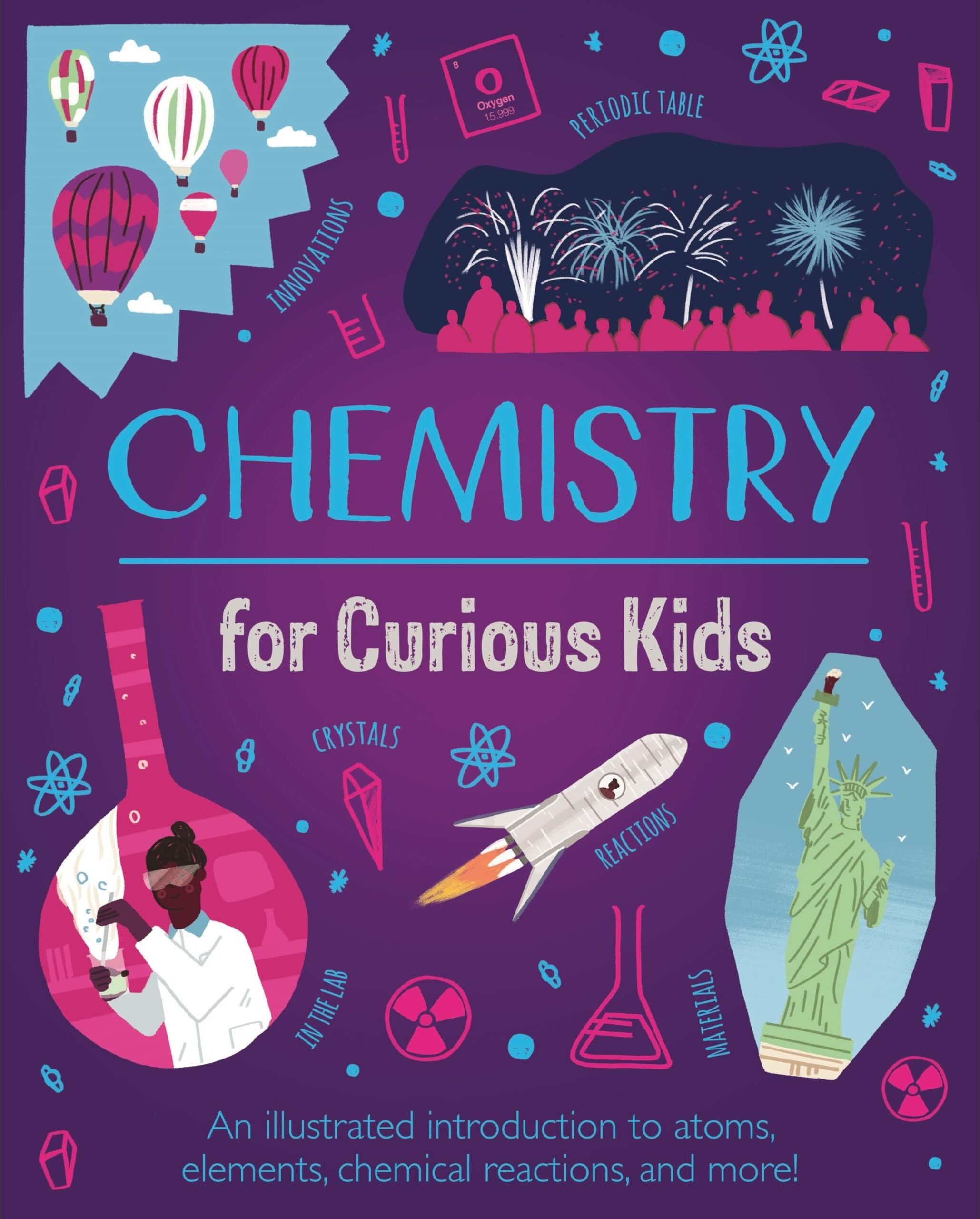
Arcturus Chemistry for Curious Kids: An Illustrated Introduction to Atoms, Elements, Chemical Reactions, and More! (Curious Kids, 2)Young readers can discover the wonders of chemistry with this accessible introduction, presented in a wonderful jacketed hardback format with full-colour illustrations. This inspirational book is packed with clear and engaging explanations of this fundamental topic, accompanied by beautiful illustrations by Alex Foster. Supporting STEM learning, this book is an ideal supplement to school education as it covers many core chemistry topics in an entertaining and easy-to-understand way. Big new concepts pop off the page thanks to vibrant diagrams and an engaging, energetic text. Kids will relish sharing them with friends and family! Young readers will love exploring exhilarating new ideas about: • Elements • Compounds • Molecules • Atoms • And much more! A great gift for readers aged 8-12.7,89 £*Shipping: 2,99 £Secure redirect to the provider
-
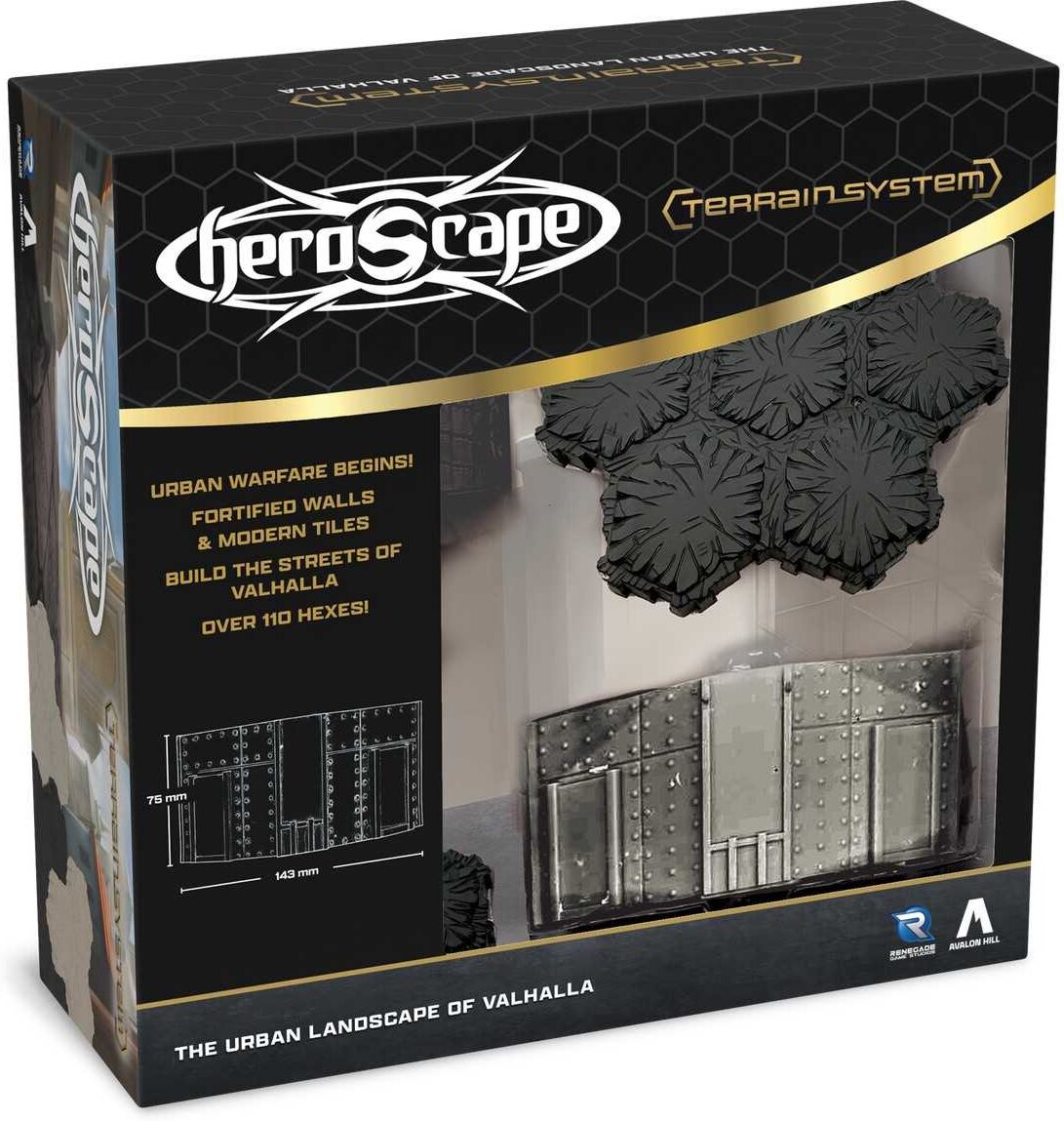
Heroscape Urban Landscape of Valhalla Terrain Expansion - Board Games - Renegade Game StudioExpand your Heroscape games with The Urban Landscape of Valhalla Terrain Expansion, a terrain set designed to bring urban environments to the tabletop. This expansion includes asphalt and concrete hex tiles, as well as wall pieces for fortified positions, allowing you to create dense battlefields featuring paved streets and concrete areas. The terrain provides new ways to shape movement and line of sight, helping you construct ambush points, defensive strongholds, and narrow routes through a mechanized city setting. Combine it with your existing Heroscape terrain and scenarios to create larger and more distinctive battlefields. The Urban Landscape of Valhalla Terrain Expansion is compatible with the Heroscape game system.35,98 £*Shipping: 3,95 £Secure redirect to the provider
-
Monolith Board Games Tower Up Board Game - Competitive Urban Construction Gameplay for Family Game NightsBuild a thriving city in Tower Up, a competitive urban construction game from Monolith Board Games. Players compete to develop a new city and grow their fortunes through carefully planned construction, balancing short-term opportunities with longer-term plans. Each decision affects the opportunities available across the expanding urban landscape. The game combines accessible rules with meaningful strategic choices, supporting repeat play. Suitable for family game nights and modern board-game collections, Tower Up offers a fast-moving tabletop experience with room for thoughtful decisions throughout the game.31,59 £*Shipping: 3,95 £Secure redirect to the provider
-
CounterArt Lush Landscape Hardboard Placemats with Protective Cork Backing 4 Pack Layered Construction Heat Tolerant and Easily Wipes CleanHardboard Placemats are made with a layered construction. The surface of the mats is coated with protective lacquer. Heat resistant to 212 degrees Fahrenheit. The art is laminated to a wood composite layer.46,49 $*Shipping: 0,00 $Secure redirect to the provider
-
What are oxygen atoms and carbon atoms?
Oxygen atoms are the building blocks of the element oxygen, which is essential for life and makes up a large portion of the Earth's atmosphere. Oxygen atoms have 8 protons and typically 8 neutrons, giving them a total atomic mass of 16. They are known for their ability to form strong bonds with other elements, making them crucial for the formation of molecules such as water and carbon dioxide. Carbon atoms are the building blocks of the element carbon, which is a fundamental component of all known life on Earth. Carbon atoms have 6 protons and typically 6 neutrons, giving them a total atomic mass of 12. They are known for their ability to form long chains and complex structures, making them essential for the formation of organic molecules such as proteins, carbohydrates, and DNA. **
-
Will adding protons to atoms create different atoms?
No, adding protons to atoms will not create different atoms. The number of protons in an atom determines its identity as a specific element. Adding protons to an atom will change its identity and create a different element. However, adding protons to an atom can create a different isotope of the same element, which will have a different atomic mass but the same chemical properties. **
-
Why are some atoms larger than other atoms?
Some atoms are larger than others because they have more protons, neutrons, and electrons, which increases their atomic mass and size. The number of electron shells and the distance of the outermost electrons from the nucleus also contribute to the size of an atom. Additionally, the arrangement of electrons in the electron shells can affect the size of an atom. Overall, the size of an atom is determined by a combination of its atomic number, electron configuration, and atomic mass. **
-
Do argon atoms form when chlorine atoms gain electrons?
No, argon atoms do not form when chlorine atoms gain electrons. When chlorine atoms gain an electron, they become chloride ions with a negative charge. Argon is a noble gas and already has a full outer electron shell, so it does not need to gain or lose electrons to achieve stability. **
Similar search terms for Atoms
-
ZWYO HOSIMU Traditional Nightstand with 3 Drawer, Durable Construction and Timeless Design"Enhance your bedroom with this charming gray traditional nightstand, designed for both style and functionality. Compact size of 29""H x 21""W x 16""D fits perfectly in most bedroom spaces."404,39 $*Shipping: 0,00 $Secure redirect to the provider
-
Tooky Toys Space Maze - Wooden Construction Cosmic Design Ages 3 and UpWooden space maze for kids with planets stars and rockets. Beads glide through tracks encouraging focus and persistence. Suitable for quiet time, gifts, or space-themed collections.8,13 £*Shipping: 3,95 £Secure redirect to the provider
-
Smart Shopping Spot Multi Functional Nut Cracker Tool For Walnuts, Chestnuts & Hazelnuts Ergonomic Design, Silvery Metal Construction Multi Functional Nut Cracker Tool For Walnuts, Chestnuts & Hazelnuts Ergonomic Design, Silvery Metal ConstructionSay goodbye to struggling with stubborn nuts and enjoy effortless cracking with our MultiFunctional Nut Cracker Tool. Designed for walnuts, chestnuts, almonds, and hazelnuts, this handy tool makes cracking nuts quick and easy. With its ergonomic,...29,97 $*Shipping: 0,00 $Secure redirect to the provider
-
ZWYO HOSIMU Traditional Nightstand with 3 Drawer, Durable Construction and Timeless Design"Enhance your bedroom with this charming gray traditional nightstand, designed for both style and functionality. Compact size of 29""H x 21""W x 16""D fits perfectly in most bedroom spaces."417,99 $*Shipping: 0,00 $Secure redirect to the provider
-
Can atoms explode?
Atoms themselves cannot explode, as they are the building blocks of matter and are stable in their natural state. However, when atoms undergo a nuclear reaction, such as nuclear fission or fusion, a large amount of energy is released in the form of an explosion. This is what happens in nuclear bombs or nuclear power plants. So, while atoms themselves cannot explode, the reactions they undergo can result in explosive energy release. **
-
Are atoms universes?
No, atoms are not universes. Atoms are the basic building blocks of matter, consisting of a nucleus of protons and neutrons surrounded by a cloud of electrons. Universes, on the other hand, are vast and complex systems that contain galaxies, stars, planets, and other celestial bodies. While both atoms and universes are part of the natural world, they exist at vastly different scales and levels of complexity. **
-
What is the difference between metal atoms and magnesium atoms?
Metal atoms refer to a broad category of elements that exhibit metallic properties, such as being good conductors of heat and electricity. Magnesium atoms, on the other hand, specifically refer to atoms of the element magnesium, which is a metal known for its light weight and high strength-to-weight ratio. While magnesium atoms are a subset of metal atoms, they have unique properties and characteristics that distinguish them from other metals. **
-
Can all atoms be split or only atoms that are radioactive?
Only atoms that are radioactive can be split through a process called nuclear fission. This process involves splitting the nucleus of an atom into smaller parts, releasing a large amount of energy in the process. Not all atoms are radioactive, so only those specific atoms can undergo nuclear fission. **
* All prices are inclusive of VAT and, if applicable, plus shipping costs. The offer information is based on the details provided by the respective shop and is updated through automated processes. Real-time updates do not occur, so deviations can occur in individual cases. ** Note: Parts of this content were created by AI.